Recently, Dakota Access Pipeline celebrated its achievements for being in service for a year. This event comes after getting approval from the U.S. Army Corps of Engineers to construct a pipeline system from Bakken and Three Forks production regions in North Dakota to Patoka III. U.S. Army Corps of Engineers evaluates and issues licenses for water crossings as stipulated in section 404, and sections 10 and 14 of Clean Water and Rivers and Harbors Acts respectively. Its mandate comprised of 37miles out of the total 1,168 miles of the pipeline project.
Over 500,000 barrels of crude oil are being transferred daily from Bakken fields by Dakota Access Pipeline, leading to an increase in its production. In March alone, Production in North Dakota reached 1.16Million Barrels per day. Go Here to learn more.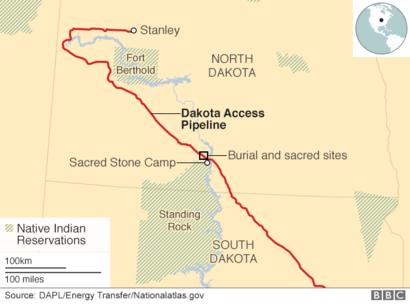
This production has led the country to be independent, with Dakota Access Pipeline moving over 182.5 million oil barrels. North Dakota’s Production now ranks the third after Texas and North Mexico. Its safety record is still good, with no significant incidents reported. Only Four Barrels of oil got lost due to leakage out of 61.25 million approximate barrels transported.
Energy Transfer Partners got the mandate to build the Pipeline. It exceeded expectations in making the line by positioning a pipe thicker than what is required by law. In Missouri River, it inserted this line between 95 and 115 feet under using the innovative technology.
Without Pipelines like Dakota Access Line, Rail cars, barges and trucks could have been in use instead, which could have led to an environmental disaster. This is because the country is producing more oil than other countries, with its production rising by 60% since 2008. This production was estimated to grow to 19.1 barrels per day in 2019. See This Article for more information.
Dakota Access Pipeline has a lot to celebrate on its first anniversary. Some of its achievements include transporting oil in large volumes, creating over 10,000 jobs throughout its construction period, easement payments to landowners, which amounts to $189 million, and $55 million property taxes paid to local and state governments.
Additional reference: https://www.daplpipelinefacts.com/Safety.html